Posture Exercises: How Improving Your Posture Supports Whole-Body Health
In today’s modern world, poor posture has become almost unavoidable. Long hours spent sitting at desks, looking down at phones, and driving can slowly pull the body out of alignment. Over time, this can lead to aches and pains, reduced mobility, fatigue, and even problems with breathing and digestion.The good news? Posture exercises are a simple, effective way to counteract these issues and improve overall health. By strengthening key muscles and restoring proper alignment, posture exercises help the body move better, feel better, and function more efficiently.In this article, we’ll explore what posture exercises are, why posture matters, and how improving posture can benefit your entire body.
What Are Posture Exercises?
Posture exercises are movements designed to strengthen weak muscles, stretch tight areas, and reinforce proper alignment of the spine, shoulders, hips, and head. Rather than focusing on appearance alone, these exercises address how the body holds itself during everyday activities like sitting, standing, walking, and sleeping.Common posture exercises target areas that tend to become dysfunctional over time, including:The upper back and shouldersThe core musclesThe hips and glutesThe neck and deep stabilizing muscles of the spineWhen practiced consistently, posture exercises help retrain the nervous system and muscles to maintain healthier alignment naturally.
Why Good Posture Is Essential for Overall Health
Good posture is about much more than standing up straight. Proper alignment allows the body to distribute stress evenly across joints and muscles, reducing unnecessary strain.Poor posture, on the other hand, can contribute to:Chronic neck, shoulder, and back painHeadaches and jaw tensionReduced lung capacity and shallow breathingDigestive discomfortDecreased balance and mobilityIncreased fatigueOver time, these issues can compound, affecting both physical comfort and overall quality of life. Corrective posture exercises help reverse these patterns before they become long-term problems.
Benefits of Posture Exercises for Whole-Body Health
1. Reduced Neck, Shoulder, and Back PainOne of the most well-known benefits of posture exercises is pain relief. Slouched posture places excessive stress on the cervical and lumbar spine, often leading to stiffness and discomfort.Posture exercises strengthen the muscles that support the spine, allowing it to maintain its natural curves. This reduces tension in overworked muscles and decreases pressure on joints and discs, helping to relieve chronic pain.2. Improved Breathing and Lung FunctionPoor posture compresses the chest and diaphragm, limiting the lungs’ ability to fully expand. Over time, this can lead to shallow breathing and reduced oxygen intake.By improving spinal alignment and opening the chest, posture exercises support better breathing mechanics. Deeper, more efficient breathing can improve energy levels, exercise performance, and even stress resilience.3. Better Core Strength and StabilityPosture exercises often engage the deep core muscles, including the transverse abdominis and spinal stabilizers. These muscles play a crucial role in protecting the spine and supporting daily movement.A strong, functional core improves balance, reduces the risk of injury, and enhances overall movement efficiency—whether you’re lifting groceries, exercising, or simply standing for long periods.4. Enhanced Joint Health and MobilityWhen posture is poor, joints are forced into unnatural positions. Over time, this can contribute to stiffness, inflammation, and wear and tear.Correct posture helps joints move as intended. Posture exercises promote healthy joint alignment, allowing muscles to share the workload more evenly. This can improve mobility, reduce joint pain, and support long-term musculoskeletal health.5. Reduced Headaches and TensionForward head posture is a common contributor to tension headaches and neck pain. When the head shifts forward, the muscles of the neck and upper back must work overtime to support its weight.Posture exercises strengthen these muscles and bring the head back into proper alignment, reducing muscle tension and helping to decrease the frequency and intensity of headaches.6. Improved Digestion and Organ FunctionSlouching compresses the abdominal organs, which may interfere with digestion and circulation. Poor posture can also affect nerve signaling between the brain and the gut.Maintaining upright posture allows the organs to sit in their natural positions, supporting better digestion, circulation, and overall organ function.7. Increased Energy and Reduced FatiguePoor posture forces the body to work harder to stay upright, leading to unnecessary muscle fatigue. Over time, this can drain energy levels.With improved posture, the body becomes more efficient. Muscles and joints work together rather than against each other, helping you feel more energized throughout the day.
Key Posture Exercises to Include in Your Routine
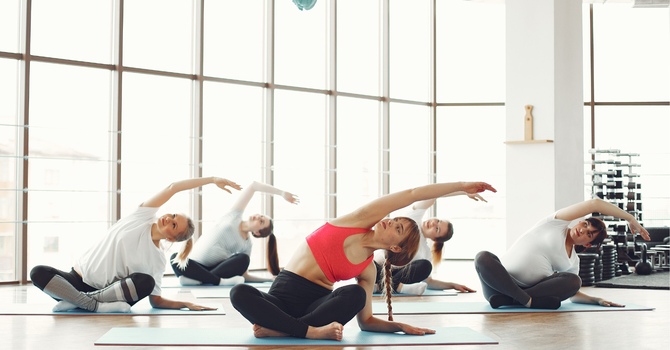
While there are many effective posture exercises, some foundational movements include:Chin tucks to strengthen deep neck musclesWall angels to improve shoulder mobility and upper-back strengthGlute bridges to support hip and pelvic alignmentBird dogs for spinal stability and core engagementThoracic spine mobility exercises to counteract slouchingEven a few minutes per day can make a noticeable difference over time.
How Often Should You Do Posture Exercises?
Consistency matters more than intensity. For most people, performing posture exercises 3–5 times per week is enough to see improvements. Brief daily posture resets—such as stretching, standing breaks, or mindful posture checks—can further enhance results.Remember, posture is a habit. The goal is not perfection, but gradual improvement and awareness.
Final Thoughts: Small Changes, Big Impact
Posture exercises are one of the most underrated tools for improving overall health. By supporting spinal alignment, reducing pain, improving breathing, and enhancing movement quality, these exercises create benefits that extend far beyond the gym.Whether you’re dealing with chronic discomfort or simply want to move and feel better, incorporating posture exercises into your routine is a powerful step toward long-term health and resilience.
Adam V Downs
Contact Me